Love at First Sight, Doubt at Second Showing: The Return Visit That Saves Buyers Thousands

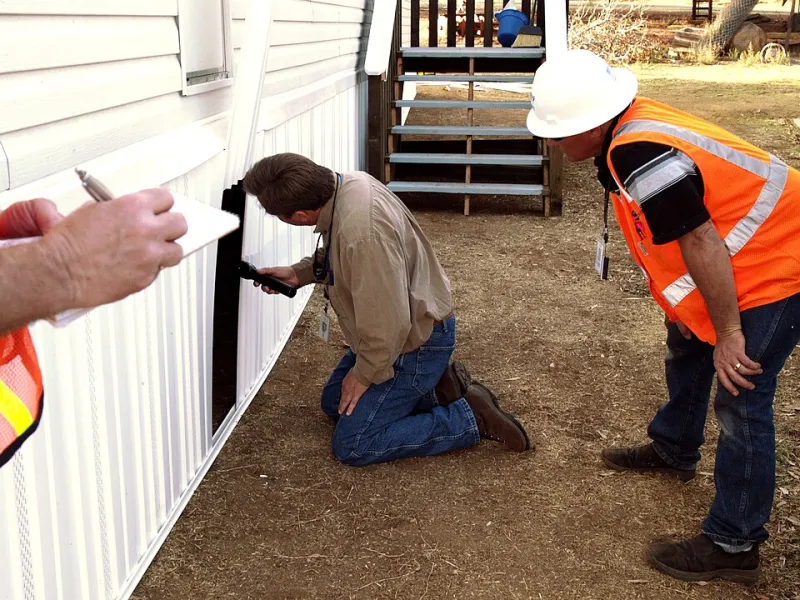
Photo: homebuyers revisiting house second viewing real estate agent, via images.pexels.com
Every buyer remembers the house that got away — and every seasoned agent remembers the buyer who nearly bought a problem. At Saryak Realty, we've watched enough transactions close to hold a slightly contrarian view: the single most underused tool in American home buying is not a better lender, a savvier negotiator, or a sharper inspection clause. It is the second showing.
The first visit to a home is an emotional event. Buyers arrive having scrolled through dozens of listings, and when a house finally matches the picture in their head, something close to infatuation takes over. Rooms feel bigger than they are, the kitchen's quirks read as charm, and the low hum of the interstate two blocks over goes entirely unnoticed. That is not carelessness; it is how the mind works when it wants something.
Why the First Visit Lies (Politely)
A first showing typically lasts fifteen to twenty minutes, often scheduled mid-morning or mid-afternoon when light is most flattering and traffic is quietest. The buyer is processing dozens of variables at once — layout, price, finish, neighborhood — and the brain simply cannot audit them all. Emotion fills the gap, and emotion is a notoriously generous appraiser.
The second visit inverts every one of those conditions. It happens on a different day, at a different hour, with a different agenda. The buyer is no longer asking do I love this house? but rather do I still love it when I'm paying attention? That shift in question changes what gets noticed.
What a Structured Second Visit Should Cover
We coach our buyers to treat the return trip like due diligence, not a reunion. Three areas deserve particular scrutiny.
Light and sound, at an unforgiving hour. A home that glows at 11 a.m. on a Saturday may feel cave-like on a gray Tuesday evening. Return near the times you would actually be home — early morning for the bedroom windows, early evening for the living space and the backyard. While you're there, listen. School dismissal, rush hour, leaf blowers, the neighbor's dog: the soundscape of a street is part of what you're buying.
Storage reality, measured literally. Closets and garages photograph beautifully when empty. Bring a tape measure. Winter coats, holiday bins, the lawn mower — picture where they live. In much of the country, from Minnesota basements to Florida garages, storage quietly determines daily quality of life more than granite countertops ever will.
The commute, tested not estimated. A mapping app will tell you the drive takes twenty-four minutes. Drive it yourself, in real traffic, at the hour you'd actually make the trip. For buyers weighing a move across a metro area — Atlanta's perimeter, Dallas's sprawl, the choke points of Seattle or the District — this single hour of effort is the cheapest insurance available.
How Agents Structure the Return
A well-run second showing is not a casual drop-in. We schedule it after the first offer deadline is known but before offers are due, giving the buyer maximum information with minimal pressure. We bring the seller's disclosure for a second read on-site, walk the perimeter again with fresh eyes, and — critically — say very little. On the first visit, the agent talks. On the second, the buyer does, and the questions that surface are usually the ones worth asking.
Sellers take notice, too: a buyer who requests a second showing is a serious buyer. In multiple-offer situations, that seriousness often translates into cleaner, more confident terms.
A Second-Visit Checklist
Buyers are welcome to use the framework we hand our own clients:
- Visit at a different time of day than the first showing
- Photograph closets, garage, and mechanical areas for later review
- Measure primary closet and any storage that matters to you
- Run the faucets and flush toilets; note water pressure
- Locate the water heater, HVAC access, and electrical panel
- Walk the lot boundary; check drainage and grading
- Drive the commute route at rush hour
- Sit on the front step for five minutes and just listen
- Re-read the seller's disclosure on-site
- Write down every lingering doubt before leaving the driveway
That last item matters most. Doubts written down in the driveway can be investigated; doubts left unspoken tend to resurface after closing, when they cost money instead of questions.
The Case for Slowing Down
In a market where buyers fear losing a home to a competing offer, the second showing can feel like a luxury. We'd argue the opposite: it is a discipline. The cost of an hour is trivial against the cost of a six-figure purchase made on a first impression. Houses are the rare acquisition where buyers routinely spend more time researching a television than the property itself.
The first visit tells you whether a house could be yours. The second tells you whether it should be. Buyers who honor both — and agents who insist on both — consistently end up in homes that still feel right long after the moving boxes are gone. That, more than any market timing, is what local expertise is for.