Seven Questions That Expose a Script-Reading Agent
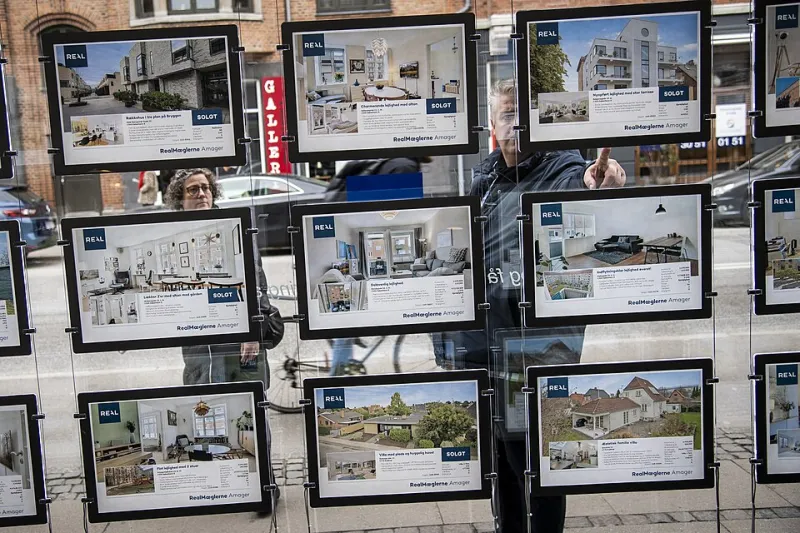
Photo: Jacob Ljørring, CC BY-SA 4.0, via Wikimedia Commons
Hiring a real estate agent is one of the largest professional engagements most American consumers will ever make, yet the vetting process is often shallower than the one we apply to a landscaper. We ask about results, yes — but rarely about knowledge. And in residential real estate, knowledge is not a slogan on a business card. It is granular, verifiable, block-level familiarity with the exact streets where you intend to buy or sell.
At Saryak Realty, our brand promise is local expertise, and we believe that promise should be testable. So we have assembled seven interview questions designed to separate agents who genuinely work your neighborhood from those who memorized a script. Ask them before signing anything, and pay close attention to what happens after each one.
1. "What sold on this street in the last ninety days — and what did it fetch?"
A true local expert can answer without opening a laptop: address, condition, list-to-sale price, and how it compares to the wider ZIP code. An agent who pivots to "the market is hot right now" or promises to "pull the comps" later is reciting a national narrative rather than knowing your block. Real comparables are hyper-local; a sale three streets over can differ by tens of thousands of dollars from one on your corner.
Red flag: Vague enthusiasm. Strong answer: Specific numbers, offered with context about condition and timing.
2. "Which homes in this neighborhood are for sale but not on the MLS?"
Off-market inventory — pre-listings, quiet sales, homes where owners have signaled intent — is where local relationships become tangible value. An agent embedded in the community hears about these through colleagues, contractors, and neighbors. One who works from a portal feed does not.
3. "Where exactly does the school boundary fall — and has it changed recently?"
School zoning can move property values by double-digit percentages, and boundary lines do not respect subdivision entrances. A knowledgeable agent knows which addresses feed which schools, when districts last redrew lines, and how a pending rezoning might affect your investment. If an agent tells you to "check with the district" without offering any baseline knowledge, they are outsourcing the single most consequential fact about your purchase.
4. "What permits have been pulled on this property in the past decade?"
A finished basement, a new deck, a converted garage — all of it should appear in municipal permit records. Agents who work an area repeatedly know which renovations were permitted and which are likely to surface during inspection or appraisal. This question also reveals whether an agent has ever actually researched a property beyond its listing photos.
5. "Why did the last three sellers on this street leave, and how long did each sit?"
Motivation and days-on-market are the raw material of negotiation. An agent with genuine block familiarity knows whether the last sales were estate transitions, job relocations, or investor flips — and each story changes how you should price and position your own transaction.
6. "What does the flood plain, HOA, or zoning overlay say about this parcel?"
Every neighborhood carries a structural quirk: a drainage easement, a restrictive HOA, a historic-district review board, a FEMA zone redraw. These details determine what you can build, what you will pay to insure, and what a future buyer will discount. Script-readers speak in generalities; locals name the specific constraint.
7. "Who are the two or three inspectors, lenders, and title companies you trust in this market — and why them?"
Professional networks are a proxy for transaction volume. An agent who closes regularly in your area has weathered closings with specific local professionals and knows which ones catch problems and which ones create them. An agent who hesitates is likely borrowing someone else's referral list.
Reading the Answers
Notice the pattern across all seven questions: none can be answered well by charisma. Each demands specific, recent, verifiable knowledge that only comes from repeated work in a defined territory. The script-reader will redirect, generalize, or promise follow-up. The local expert will answer first and elaborate second.
A few final cautions. Verify what you are told — county assessor records and MLS data are publicly accessible, and a confident answer that fails verification is worse than an honest "I'd want to confirm that." And be wary of the opposite failure mode: an agent who claims encyclopedic knowledge of every suburb within an hour's drive probably has none of it. Expertise has edges. Ask where they end.
The real estate industry has spent two decades selling consumers on scale — national portals, algorithmic valuations, teams that hand you off to whoever answers the phone. Our position is the contrary one: the person who knows what sold on your street, which way the school boundary runs, and why the house next door relisted twice is worth more than any app or advertising budget. These seven questions exist so you can hold any agent, including ours, to that standard.
Local expertise is not a tagline. It is a testable claim. Test it.