The Hidden Line Item: Why Insurance Premiums Are Redefining Affordability in 2025
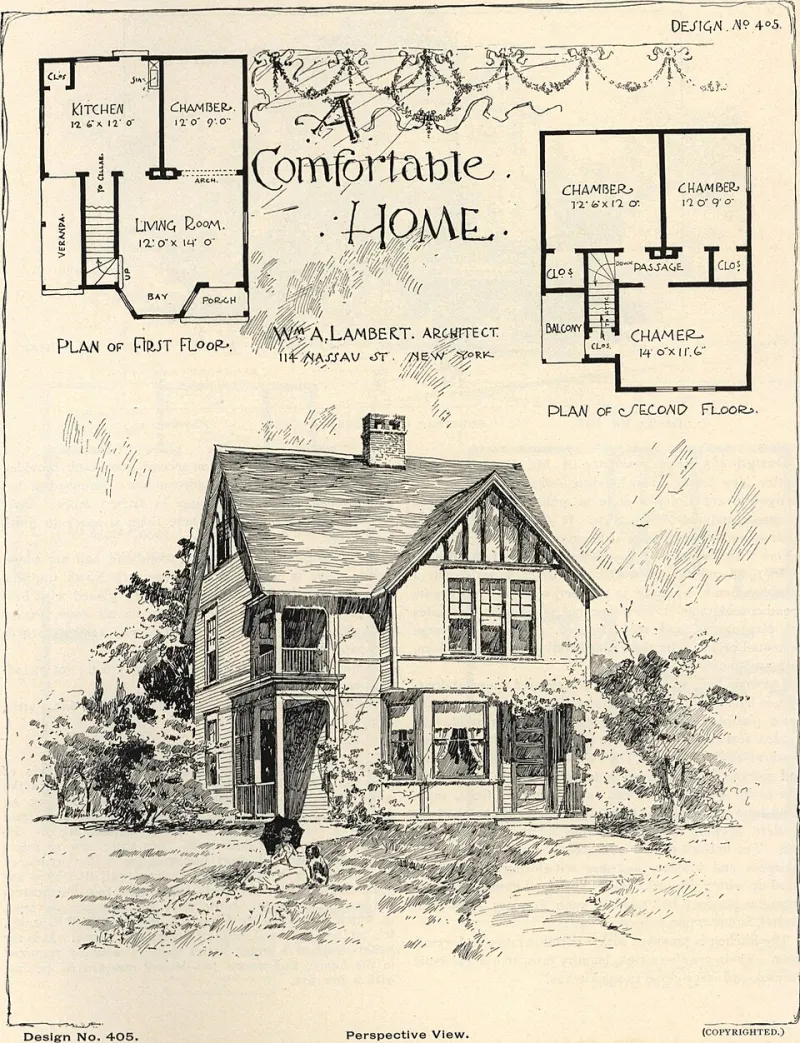
Photo: Wm A. Lambert, No restrictions, via Wikimedia Commons
For most of the last decade, a buyer's affordability math had three moving parts: the purchase price, the interest rate, and the taxes. Homeowners insurance sat quietly in escrow — a line item small enough to ignore. That era is over.
Across large swaths of the United States, insurance premiums have climbed fast enough to function like a stealth rate increase. In wildfire-exposed parts of California and Colorado, hurricane corridors along the Gulf and Atlantic coasts, and flood-prone valleys throughout the Midwest, annual premiums that once ran $1,200 can now run $4,000, $6,000, or more — when coverage is available at all. For a buyer stretching to qualify, an extra $400 a month in premium is mathematically identical to a rate hike, and it arrives at the worst possible moment: days before closing.
Why This Is Happening Now
The forces are cumulative. Catastrophic losses from wildfires and hurricanes have pushed national insurers to reprice risk or retreat from entire states. Reinsurance — the insurance that insurers buy — has become dramatically more expensive, and those costs flow downstream. Carriers have pulled out of or restricted new business in markets including California and Florida, pushing homeowners toward state-backed insurers of last resort or thin, expensive surplus-lines coverage. Meanwhile, older housing stock with aging roofs and outdated electrical systems faces surcharges or outright non-renewal.
The result: the premium quoted at pre-approval may bear little resemblance to the premium that exists at closing.
The Eleventh-Hour Problem
Here's how it kills deals. A buyer qualifies on a payment that assumes a $1,500 annual premium. Three weeks before settlement, the chosen carrier declines the roof age or the property's proximity to a wildfire zone. The replacement quote comes in at $5,800. The lender re-runs the numbers, the debt-to-income ratio breaches the limit, and the approval that felt certain evaporates.
Sellers feel this too. In markets where insurance is scarce, a property that's hard to insure is hard to sell — a fact that is increasingly showing up in days-on-market figures and buyer feedback.
What Buyers Should Do Differently
Shop for insurance during the offer phase, not after acceptance. Once you're under contract, the clock is short. Getting preliminary quotes on the specific property — including its roof age, distance to a fire hydrant, and flood zone designation — while you're still negotiating gives you time and leverage.
Read the CLUE report and disclosure documents carefully. A property's claims history affects insurability. Sellers in many states must disclose known issues; buyers can also ask for a Comprehensive Loss Underwriting Exchange report on the home.
Understand your state's fallback options. California's FAIR Plan, Florida's Citizens Property Insurance, and similar state-backed programs provide coverage when the private market won't — but often with caps, exclusions, and higher costs. Know before you're forced to.
Budget a premium stress test. Model your monthly payment at 2x the initial insurance quote. If that number breaks your budget, the house is a bet on the insurance market stabilizing — which, so far, it hasn't.
Ask about mitigation credits. Newer roofs, impact-resistant windows, updated wiring, and wildfire defensible-space work can meaningfully reduce premiums in exposed areas. These are also negotiation points: a seller-funded roof certification can be worth thousands in annual carrying cost.
Negotiating Around the Premium Problem
Rising insurance costs are changing deal dynamics. Buyers in high-premium markets are increasingly requesting credits toward mitigation work rather than cosmetic upgrades. Sellers who can document recent roof replacement, updated systems, or a clean claims history have a genuine marketing advantage. And in some transactions, seller-paid escrow cushions for the buyer's first year of premium have emerged as a creative middle ground.
The Takeaway
Affordability in 2025 is no longer a two-variable equation. The cost to insure a home now shapes what buyers can borrow, what sellers can ask, and which properties trade freely. Treat the insurance quote as seriously as the mortgage rate — get it early, verify it independently, and build its volatility into your planning. The buyers who do this aren't being cautious; they're simply doing today's math correctly.
If you're weighing a purchase in a coastal, wildfire, or flood-exposed market, talk with a local agent who understands the insurance landscape before you write the offer. It may be the most valuable fifteen minutes of your search.