Before the Sign Goes Up: Where Sellers Should Spend — and Where They Shouldn't
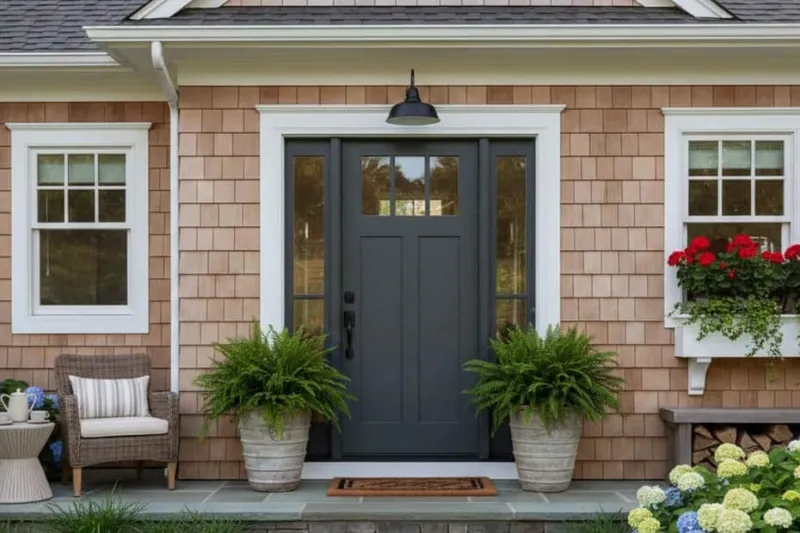
Photo: home exterior fresh paint curb appeal front door real estate, via mlwesobbhp4v.i.optimole.com
Every spring, the same scene plays out in neighborhoods across the country: a homeowner, weeks from listing, standing in the hardware store with a cart full of supplies and no clear sense of which purchases will actually return a profit. The instinct to polish a home before it hits the market is sound. The execution, however, is where equity is won or lost.
The data from recent transactions tells a consistent story: buyers respond strongly to a handful of targeted improvements and shrug at many others. Understanding that distinction — before the contractor arrives — is the difference between a listing that commands attention and one that funds a renovation you'll never enjoy.
The Repairs That Earn Their Keep
1. Exterior Paint and Front-Entry Refresh
First impressions form in the time it takes to pull up to the curb. A faded facade or a tired front door can shave perceived value before a buyer steps inside. Repainting the exterior or, at minimum, the trim and entry door, routinely ranks among the highest-return projects in industry cost-versus-value surveys. It is also one of the few jobs where the labor is visible to every prospective buyer who drives by.
2. Landscaping and Basic Curb Appeal
This is the least expensive item on the list and often the most impactful per dollar. Trimmed shrubs, fresh mulch, a healthy lawn, and pressure-washed walkways signal a home that has been maintained. Buyers extrapolate: if the outside looks cared for, the mechanicals probably are too.
3. Kitchen Hardware, Countertops, and Lighting
A full kitchen remodel rarely pays for itself on a sale timeline. Swapping dated cabinet pulls, replacing a worn countertop, and upgrading to modern fixtures frequently does. The goal is not to build the kitchen of your dreams — it is to remove objections from the kitchen of your buyer's dreams.
4. Flooring Consistency
Mismatched flooring between rooms reads as a series of unfinished projects. Replacing worn carpet in main living areas and refinishing or unifying hard surfaces creates visual continuity that photographs well and shows even better. Buyers consistently rank flooring among their top turn-offs when it's neglected.
5. Bathroom Caulking, Grout, and Fixtures
Mildewed grout is a small detail that raises a large question: what else hasn't been maintained? Re-caulking tubs, regrouting tile, and replacing dated faucets costs a few hundred dollars and eliminates a category of concern that can otherwise dominate an inspection conversation.
6. Interior Paint in Neutral Tones
Your accent wall was a personal statement. To the buyer scrolling listing photos, it's a weekend of work they'll mentally deduct from their offer. A neutral, professionally applied coat throughout main living areas remains one of the most reliable returns in pre-sale preparation.
7. Small Mechanical Repairs and a Pre-Listing Inspection
Fixing the running toilet, the sticking door, and the flickering fixture before the buyer's inspector finds them changes the tone of negotiations entirely. A pre-listing inspection — arguably the most underused tool in residential sales — lets you address issues on your own schedule and your own budget rather than under deadline pressure ten days before closing.
The Money Pits
1. The Full Kitchen or Bathroom Renovation
Major remodels are designed for homeowners who will live with the results. On a sale timeline, buyers rarely pay a premium for a renovation completed to the seller's taste, and the timeline often delays listing into a weaker market window.
2. Roof Replacement Without a Compelling Reason
Unless the roof is actively failing or a buyer's lender will object, a full replacement is seldom recouped. A documented inspection with remaining useful life estimates is usually the more economical path.
3. High-End Additions — Pools, Luxury Landscaping, Home Theaters
Specialty features narrow your buyer pool while inflating your carrying costs. A pool can be a selling point in some markets and a liability in others; luxury customizations almost never appraise at their cost.
When Selling As-Is Is the Smarter Play
There are circumstances where the best preparation is none at all. If the home needs systemic work — foundation, major systems, extensive cosmetic updates — the right strategy may be pricing to condition and marketing to investors or renovation-minded buyers. The key is making that decision deliberately, with local comparable sales in hand, rather than by default.
A conversation with a local agent who knows your specific submarket — not a national portal's algorithm — is the fastest way to find out which side of that line your property falls on. In real estate, the most valuable repair is often a well-informed plan.