Paper Trails and Closing Tables: A Buyer's Field Guide to the Documents That Decide Everything
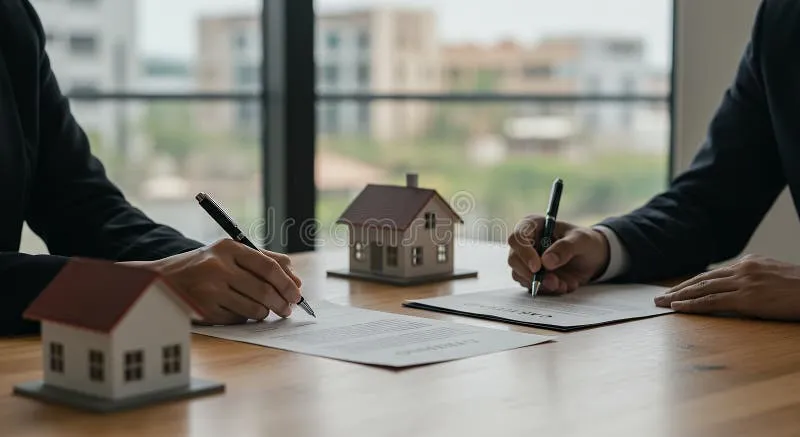
Photo: mortgage closing documents signing desk home purchase paperwork, via thumbs.dreamstime.com
Ask any experienced closing attorney what kills most first-time purchases, and the answer is rarely the negotiation. Price gets agreed upon; then the paperwork begins, and somewhere between the pre-approval letter and the closing disclosure, momentum dies. Having watched many of these transactions unfold, I'd argue the industry has a communication problem dressed up as a complexity problem. The documents aren't inherently difficult. They're simply never explained in order.
So let's put them in order.
The Pre-Approval Letter: Your Ticket to Be Taken Seriously
Before any offer is written, a lender issues a pre-approval letter stating what they're willing to lend based on verified income, credit, and assets. It is not a guarantee — it is a credible estimate that tells a seller you are worth negotiating with.
The mistake first-timers make here is twofold. First, they confuse pre-qualification (an unverified guess) with pre-approval (a documented analysis). Sellers' agents do not. Second, they get pre-approved for the maximum and then shop at the ceiling, leaving no room for repairs, moving costs, or a bidding situation. A letter slightly below your maximum is often a stronger negotiating position than one at the top of your range.
The Purchase Agreement: Where Contingencies Do Their Quiet Work
The offer itself is a contract, and its most important clauses are the contingencies — conditions under which you may exit with your earnest money intact. The two that matter most:
- Inspection contingency: a defined window to inspect the property and negotiate repairs or withdraw.
- Financing contingency: protection if your loan falls through despite the pre-approval.
Waiving these can win bidding wars. It can also leave a buyer holding a money pit with no financing recourse. Our view, stated plainly: first-time buyers should treat contingency waivers as a last resort, not a strategy. The buyers who waive inspections to compete are, in effect, self-insuring against a risk they cannot yet price.
The Inspection Report: A Map, Not a Verdict
The inspection report arrives a few days after the inspector walks through, and it is almost always alarming to read. Every house has a list. The skill is triage: structural issues, water intrusion, and electrical hazards are negotiation material; a cracked outlet cover is not.
The error to avoid is treating the report as a renegotiation of price over trivial items, which sours the deal over hundreds of dollars while risking thousands. The counter-error is ignoring legitimate findings because you've emotionally committed to the house. Both happen weekly.
Loan Estimate and Closing Disclosure: Read Both, Compare Them
Within three business days of applying, your lender provides a Loan Estimate outlining rates, fees, and closing costs. Three days before closing, you receive the Closing Disclosure — the final version of the same numbers.
Here is the entire exercise: put the two documents side by side and confirm they match. A changed fee, a shifted rate, a new charge that appeared late — these are findings worth a phone call, and the three-day review window exists precisely so you can make that call without derailing the timeline. Most buyers never compare them. That omission is how surprises get signed.
The Closing Table: Where Preparation Pays
Closing day itself is anticlimactic if the preceding weeks were handled well: identification, a cashier's check or verified wire for your closing costs, and signatures. The single greatest risk in the modern process is wire fraud — criminals intercept email instructions and redirect funds. Verify wire instructions by phone, using a number you look up independently, every time. No legitimate title company will object.
The Broader Point
The industry tends to frame first-time buying as an emotional journey, and it is. But emotion navigates nothing; documents do. The buyers who close smoothly are not the ones who avoided complexity — they're the ones who read each paper when it arrived, asked one more question than felt comfortable, and refused to sign anything they couldn't explain back in a sentence.
That's not cynicism. It's just the paper trail, taken seriously.